

Lunchtime and After-Work: How to Fit Dance Into a Busy Working Week
1 May 2026
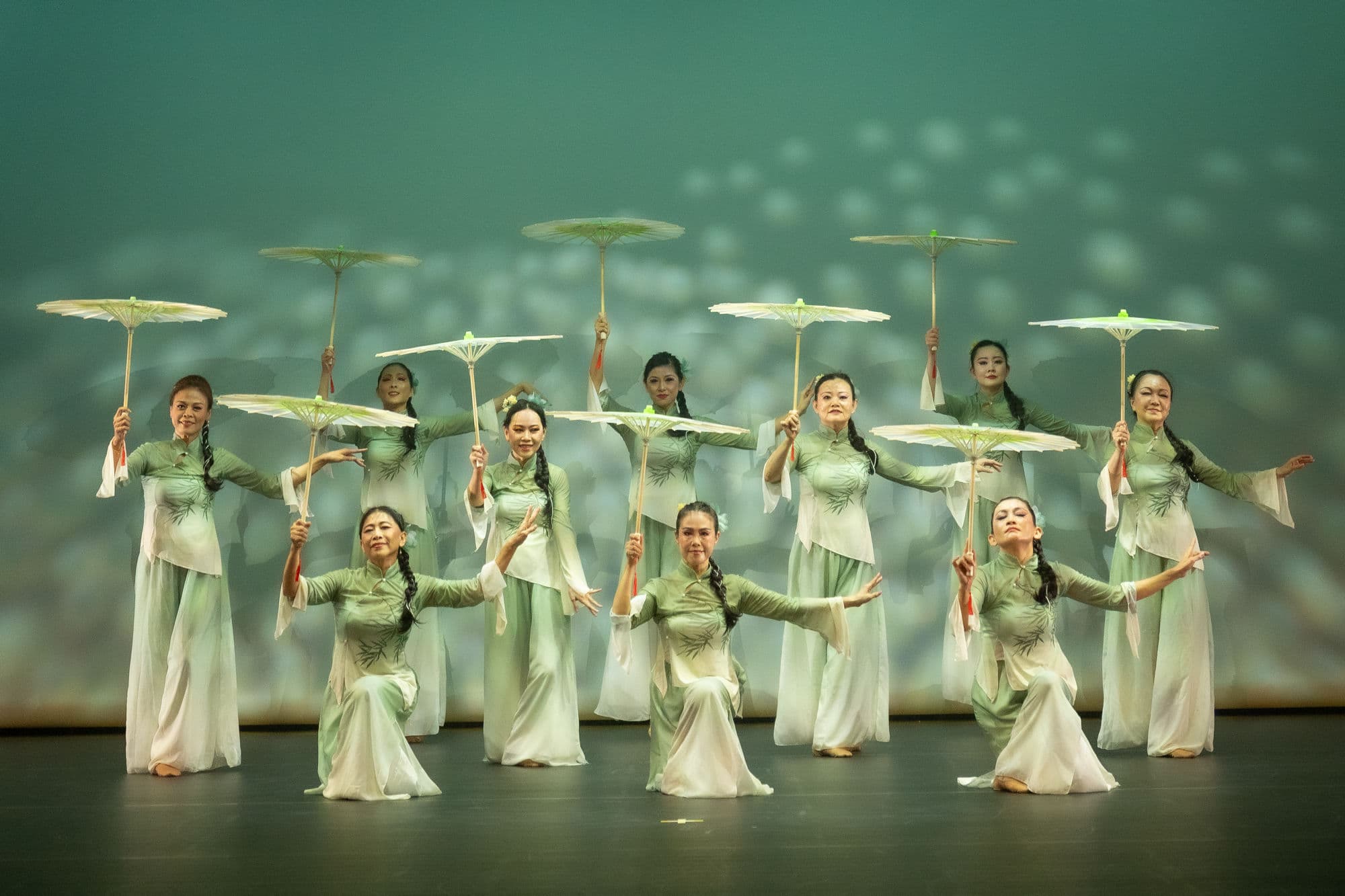
Ask almost any working adult in Singapore whether they would like to dance, and the answer comes back quickly and warmly: yes, one day. The wish is genuine. What stops it from happening is almost never desire — it is the calendar. By the time the last message has been answered, the standup has run over, and the ride home is done, the evening has quietly dissolved. "One day" stays exactly where it was, and dance drifts into the same drawer as the gym membership and the language app: things you meant to do with a life that never seems to have room.
Here is the reframe worth sitting with. If the obstacle were talent, or age, or a body that "isn't a dancer's body," that would be hard to argue with. But that is not what most people are actually up against. The real obstacle is a scheduling problem — and scheduling problems have solutions. You do not need more discipline or a personality transplant. You need one protected slot in a busy week, and a realistic way to defend it.
"I have no time" usually means "my time is unclaimed"
When someone says they have no time, they rarely mean every hour is booked. They mean their hours are unclaimed — open to whatever asks loudest. A late meeting expands to fill the evening because nothing was holding the space. A colleague's "quick call at six" wins because your own plans were only a vague intention, easy to move because they were never fixed.
Dance loses this contest not because it matters less, but because it was never entered into the calendar as a real appointment. The fix is almost embarrassingly simple: stop treating it as something you will get to when things calm down (they will not), and start treating it as a standing commitment that already exists.
Book one dance class like a meeting you cannot move
The single most effective thing you can do is give dance a fixed weekly slot and protect it the way you protect a meeting with your manager.
- Pick one time and make it recurring. Not "sometime this week" — a specific class, a specific evening, blocked in your calendar as a repeating event.
- Defend it in plain language. "I have something at 7:30 on Tuesday" is a complete sentence. You do not owe anyone the detail that the something is a dance class.
- Decide once, not every week. The exhausting part of any new habit is re-deciding each time. When the slot is fixed, the decision is already made; you are simply keeping an appointment with yourself.
People who keep this up are rarely the ones with the emptiest schedules. They are the ones who stopped leaving the decision to a tired version of themselves at the end of a long day.
The week has more room than it looks
The other quiet assumption worth challenging is that classes only ever happen at inconvenient hours. At YUE, the week is built for adults who work. Classes run from mid-morning through the evening on weekdays, and across both Saturday and Sunday — which means the question is less "can I find time" and more "which of these times is mine."
A few shapes tend to fit a working week:
- After-work evening classes. The heart of the timetable for most professionals. An evening class lets you close the laptop, travel a short distance, and step into something completely different before the day is fully over — the reason evening dance classes in Singapore fill up so reliably.
- A midday or lunchtime slot for those with any flexibility in their day — a way to break the desk-bound stretch from morning to night with movement instead of a third coffee.
- Weekend classes for anyone whose weekdays genuinely will not bend. A Saturday or Sunday class asks nothing of your work hours at all, and it is often the gentlest place to begin.
You do not have to guess which of these exists on which day. The class schedule lays out every class, time, and instructor in one view — the fastest way to see, honestly, where dance could sit in your particular week.
Start with one class a week — that is the whole plan
Part of what makes fitting exercise into a busy schedule feel impossible is that we imagine the maximal version: four sessions a week, a strict regimen, a total lifestyle overhaul. Held against a full working life, that picture is exhausting before it begins, so we file the whole idea under "not now."
One class a week is a real plan, not a compromise. Ninety minutes, once a week, is enough to learn, to feel yourself improving, and to build the kind of steady rhythm that actually lasts. It is small enough to survive a busy month and consistent enough to add up. Beginning modestly is not settling for less — for a working adult, it is the version that quietly succeeds while the ambitious version collapses.
The lowest-stakes way in is a single trial
If committing to anything weekly still feels like a stretch before you have set foot in a studio, you do not have to commit to anything at all. You can try one class first.
Any class at YUE is $38 for a single 1.5-hour session — a genuine trial, not a package or a term you sign up for. You come once, you dance, and you find out what an evening actually feels like instead of trying to reason it out in your head. Everything about that first class is designed for adults arriving exactly where you are: beginners, returning dancers, people who have not moved deliberately in years. You can explore the styles on offer — Chinese dance, ballet, contemporary, folk — and simply pick the one you are most curious about. Curiosity is a perfectly good reason.
Make the studio a stop on the way home
Geography quietly decides more of these things than motivation does. The moment you go home first, the sofa wins; the odds of putting your shoes back on and heading out again are close to zero.
The trick is to fold the class into a journey you are already making rather than adding a separate trip. YUE is at 47 Beach Road, near City Hall and Bugis MRT and just off Nicoll Highway — close enough to the CBD and the civic district that, for a great many professionals, it sits directly on the way home. You finish work, you travel a short way instead of straight to the train, and by the time you would otherwise be halfway home you are already at the barre. Treat the studio as one more stop on the commute, and the largest barrier — the going — mostly disappears.
The 1.5 hours you think you are spending, you mostly get back
The last worry is usually energy, not time: the sense that a class will drain what little is left after work. Most adults who start find close to the opposite is true.
Ninety minutes of dance asks for a particular kind of attention. To follow a phrase of movement, to listen to music and feel where your body is in the room, you have to stop turning over the day's emails — and that break from mental churn is its own kind of rest. Many of our students describe leaving class lighter and clearer than they arrived, carrying that steadiness into the evening rather than losing the evening to it. The 1.5 hours reads on paper as time spent. In practice, for a tired working week, it is closer to time returned. The stories on our students' voices page tend to circle back to precisely this.
Find the slot that fits, then keep it
None of this requires reorganising your life. It asks for one honest look at your week and one small decision to protect a single, recurring hour and a half.
So start there. Open the class schedule, find a time that genuinely fits — an evening on the way home, a lunchtime gap, a Saturday morning — and treat it as a real appointment. If you would rather test the whole idea before committing to anything, come for one trial class: any style, $38 for 1.5 hours, with no expectation beyond showing up curious. When you have found your time, get in touch and we will save you a place. The calendar is the obstacle — and the calendar is also, quietly, the solution.
Come find the beauty in dance
Any class, $38 for a 1.5-hour session. Come see how it feels.
Book a Trial