

The Unwritten Rules: Studio Etiquette for Adult Dance Classes
24 April 2026
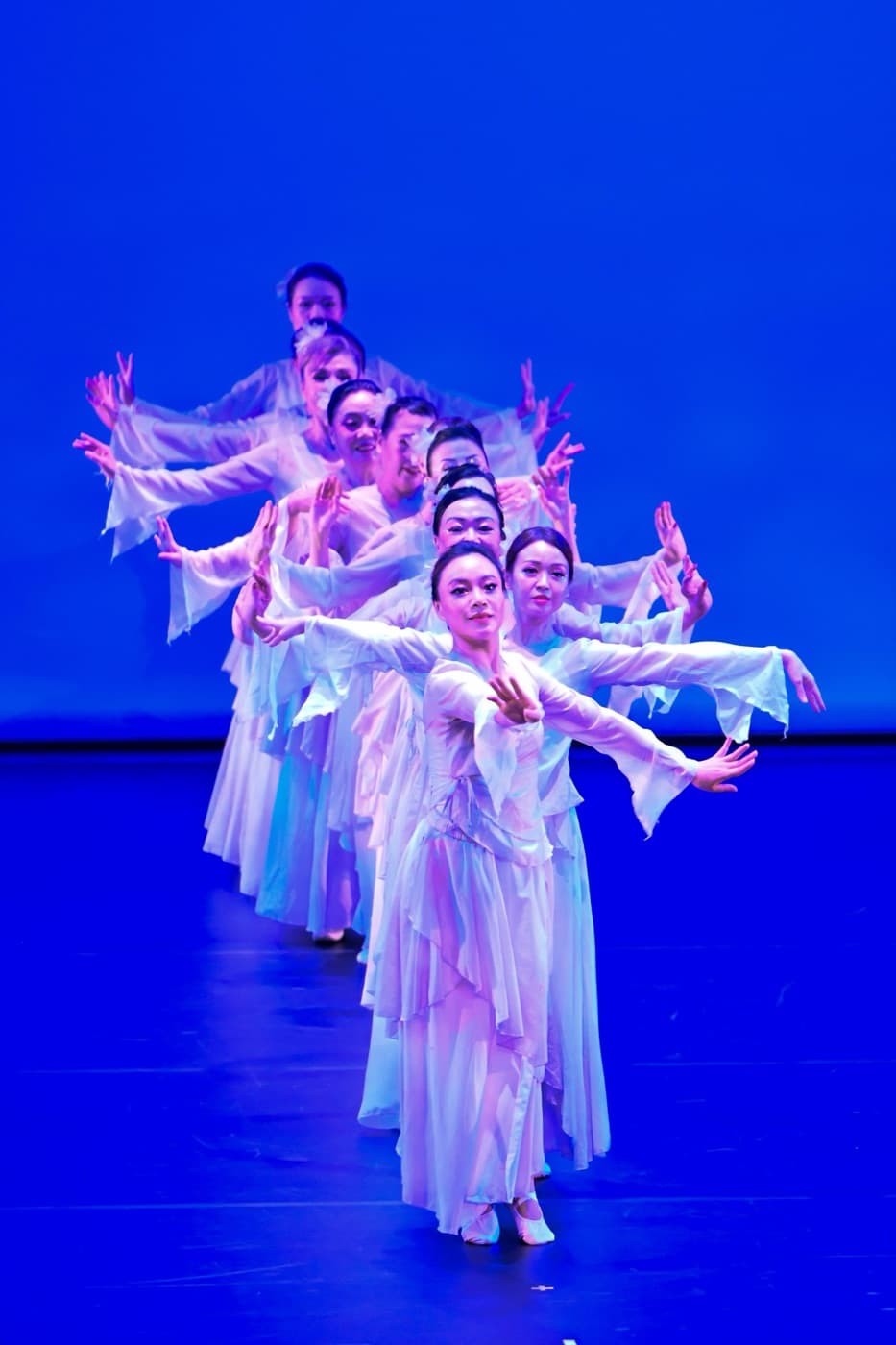
Something happens in the last few minutes before a first dance class. You have signed up, you have found the studio, you are standing near the door with your bag over one shoulder — and a small parade of questions arrives all at once. Where do I stand? What do I do with my things? What if everyone here already knows the steps, and I am the one who turns left when the whole room turns right? If any of that sounds familiar, take a breath. Every adult who has ever walked into this room felt some version of it, and none of it means you are unprepared. It means you care about doing something new, and doing it with grace.
The reassuring truth is that a dance studio runs on a handful of quiet, unwritten habits. Nobody hands you a rulebook, and nobody tests you on it. Once you notice how these small courtesies work, the room stops feeling like a stage you might fail on and starts feeling like what it actually is — a shared space where a group of adults have agreed to be a little brave together. What follows is not a list of restrictions. Think of it as dance class etiquette explained kindly, so that your first class feels less like a leap into the unknown and more like being welcomed in.
Arrive a few minutes early
The single gentlest thing you can do for your own nerves is to arrive five or ten minutes before class begins. Early arrival is not about discipline; it is about giving yourself margin. You get to change your shoes without hurrying, set your bag down along the wall, find the water fountain, and let your eyes adjust to the mirrors before anyone asks anything of you. You also get to greet the teacher quietly and mention, if you like, that this is your first time. That one sentence does more work than any warm-up.
Arriving late, by contrast, means slipping into a room that has already begun to move as one, which is stressful for you and disruptive for everyone finding their rhythm. So think of those early minutes as the beginning of the class, not the waiting room before it. If you are ever unsure how early the door opens or where to change, the practical logistics are all answered on our FAQ page.
Where to stand in the room
This is the question almost every newcomer worries about most, and the answer is happily undramatic. For a first class, choose a spot in the second or third row rather than the very front or the very back. From there you can see the teacher clearly, and you can also see two or three experienced dancers ahead of you whose bodies will quietly show you where the movement is going before your own catches up. The back row can feel safe, but it often leaves you guessing; the front row asks a lot of a first day.
There is one soft convention worth knowing: in most classes, dancers loosely keep the places they took at the start, so the room does not reshuffle every few minutes. If the group rotates lines so that everyone gets a turn near the front — many classes do — simply follow the person beside you. You are not expected to know the pattern. You are only expected to be willing to move with it.
Phones away, presence on
Once class begins, let your phone disappear into your bag on silent. This is less a rule than a small gift you give yourself. A dance class is one of the few ninety-minute stretches in a modern week where nobody can reach you and nothing needs answering, and the room works best when everyone is genuinely inside it. A buzzing screen pulls one dancer out of the moment, and a room full of half-present people is much harder to move as a whole.
If you would love to film a sequence so you can practise at home, that instinct is a good one — just ask the teacher first. Most are happy to say yes at a natural pause, and asking simply keeps the space comfortable for the people around you, some of whom may not want to appear in a video.
Watch first, then mark
Here is a piece of studio wisdom that quietly dissolves the fear of getting it wrong: you are not meant to perform a new movement the first time you see it. When a teacher demonstrates, your only job is to watch — really watch, with soft attention rather than panic. Then comes marking: moving through the shape at half energy, sketching the steps with your hands and feet without the full stretch or turn. Marking is not cheating or hanging back. It is how dancers of every level learn a phrase, and doing it means you understand the room rather than fighting it.
So when a new sequence appears, resist the urge to throw yourself into it at full size. Watch, then mark, then grow into it over several repetitions. Nobody around you nailed it on the first pass either; they simply learned to trust the process.
You will do it wrong before you do it well. Everyone in the room, including the teacher, arrived by exactly that road.
How and when to ask a question
New dancers often swing between two extremes — either freezing in silence, too shy to speak, or stopping the class every thirty seconds. The kind middle path is easy to find. Save your questions for the natural breaks: after a demonstration, between runs of a phrase, or when the teacher asks whether anyone needs a moment. A raised hand at one of those pauses is always welcome, and phrasing it about the movement rather than about yourself — "could you show the arm again?" rather than "sorry, I'm hopeless at this" — keeps the mood light and gets you a clearer answer.
You do not need to apologise for being new. A good teacher would far rather you ask than quietly guess, because a small correction early on saves a habit from setting in later. If a question feels too specific or personal for the group, catch the teacher in the last minute of class instead.
Follow the teacher's lead
Every studio has its own grammar — the way a particular teacher counts, the shorthand they use for a movement, the order in which they build a warm-up. Part of settling in is simply following that lead rather than importing habits from a video you watched or a different class you once took. If a teacher offers you a correction, receive it as the compliment it is: they are paying attention to you specifically, which is exactly what you came for. A nod and another attempt is all the response required.
This also means matching the energy of the room. When the teacher asks for stillness and focus, the room goes quiet; when there is room for laughter, it arrives on its own. Reading that rhythm is not something you have to master on day one. It settles into you naturally, class by class.
What to wear, kept simple
Attire is far less complicated than newcomers fear. For a first visit, a comfortable outfit you can move freely in is enough — many of our adult students simply arrive in a plain black top and leggings, which lets the teacher see the line of your body clearly and offer better corrections. Avoid anything too loose or too slippery, tie long hair back, and bring a small water bottle. That is genuinely the whole list.
- Wear something fitted and comfortable in a dark, plain colour.
- Bring water and, if you like, a light layer for the warm-up.
- Skip heavy jewellery, strong fragrance, and shoes you have not checked with the studio first.
If your class has a specific style — Chinese dance, ballet, contemporary — the teacher will tell you over time whether particular shoes or attire help. There is no need to buy anything before your first class. The details, including footwear, live on our FAQ page.
The warmest studio etiquette: sharing the space
The last unwritten rule is the warmest one: the room belongs to everyone in it. That shows up in small ways — keeping your bag tucked along the wall so the floor stays clear, giving the dancer beside you enough room to extend an arm, stepping back into line promptly after a turn across the floor so the next person can go, and offering a quiet smile to the newcomer who looks as unsure as you once did. None of this is choreographed. It is simply the ordinary kindness of adults who have chosen to spend an evening moving side by side.
Teachers expect beginners — that is the whole point
If you remember only one thing, let it be this: the teacher is not hoping you already know how to dance. They are hoping you show up. An adult studio like ours exists precisely for working professionals, complete beginners, and returning dancers who have not stood at a barre in years. Every dance studio rule for beginners that we have walked through here exists for one reason only — to make the room feel welcoming rather than intimidating, so that the person you are on your first day has somewhere gentle to begin.
So now you know what to expect from a first dance class, and you can see that the etiquette was never a wall. It was always a welcome. When you are ready to feel it for yourself, you can try any class for $38 across a full 1.5-hour session — no commitment, no experience required, just an evening to see how the room feels from the inside. Come say hello, tell us it is your first time, and stand wherever you like. We will make space.
Come find the beauty in dance
Any class, $38 for a 1.5-hour session. Come see how it feels.
Book a Trial